
Across Massachusetts, senior centers, councils on aging, and adult day programs are balancing two realities:
- Demand for senior transportation keeps rising, and
- Budgets aren’t rising with it.
Transportation is often one of the largest expenses for senior programs — fuel, staffing, maintenance, insurance, scheduling inefficiencies, and increased rider needs all add up quickly.
But here’s the good news:
Cost savings don’t have to come from service cuts.
In fact, the most successful Massachusetts programs are saving money by making transportation smarter, not smaller.
This guide breaks down practical ways senior centers can lower costs while protecting — and even improving — service quality.
1. Optimize Routes to Reduce Miles, Fuel, and Driver Time
One of the biggest hidden cost drains is route inefficiency.
Common problems include:
- Long “deadhead” miles
- Riders scheduled out of geographic order
- Vehicles making multiple unnecessary trips
- Overlapping routes between programs
In Massachusetts, where traffic can add unpredictable delays, this becomes even more expensive.
The Fix
Partner with a provider like Van Pool that uses:
- GPS-based routing
- Real-time vehicle tracking
- Smart scheduling tools
- Data analytics to reduce wasted miles
Even small adjustments — shaving a few miles off each route — result in major annual savings.
2. Right-Size Vehicles for Actual Rider Demand
Many senior centers unknowingly overspend by deploying vehicles that are too large for their daily ridership.
A 14-passenger vehicle on a day with 4 riders?
That’s a preventable cost.
The Fix
Use data to choose the right vehicle for each route:
- Smaller vans for low-volume days
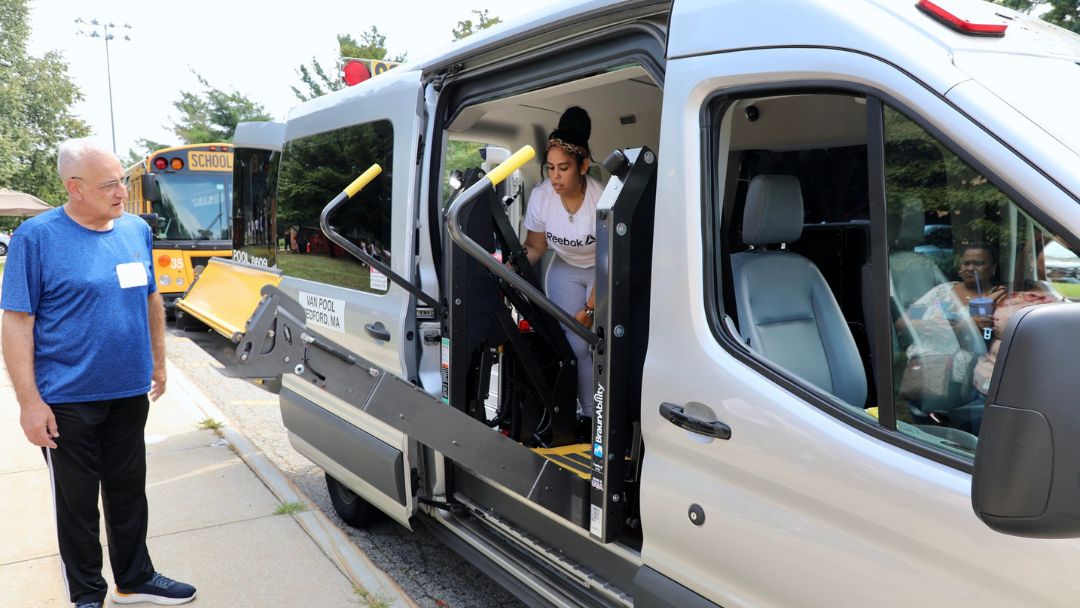
- ADA-accessible vehicles only when required
- Larger vehicles reserved for group outings
Massachusetts centers that switch to right-sized vehicles often cut fuel and maintenance costs immediately — without affecting riders.
3. Reduce Downtime With Preventive Maintenance
Breakdowns cost more than a repair bill.
They create:
- Emergency rescheduling
- Overtime pay
- Missed appointments
- Rental replacements
- Family frustration
The Fix
Implement a strict preventive maintenance schedule.
Van Pool uses:
- Routine inspections
- Predictive maintenance logs
- Real-time alerts for mechanical issues
Consistent upkeep costs far less than last-minute fixes.
4. Improve On-Time Performance to Avoid Cascading Delays
A late pickup in the morning can derail an entire day — forcing dispatch to call drivers back out, add split shifts, or run additional routes.
Delays = money burned.
The Fix
Reliable on-time performance prevents overtime and extra mileage.
Van Pool supports this through:
- Consistent, trained drivers
- Realistic route timelines
- Weather-adjusted scheduling
- GPS monitoring for early intervention
Better punctuality means fewer costly workarounds.
5. Build Long-Term Partnerships Instead of Paying Premium Rates
Some centers overspend by using multiple transportation vendors or relying on last-minute bookings.
Short-term contracting always costs more.
The Fix
Long-term partnerships deliver:
- Lower per-trip costs
- Predictable monthly billing
- Seasonal planning (winter, heatwaves, holidays)
- Reserved vehicles and drivers
- Priority support during emergencies
Massachusetts senior centers that consolidate vendors typically reduce administrative overhead and stabilize budgets year-round.
6. Use Data to Track Ridership and Prevent Overstaffing
Many centers run full routes even when riders cancel or aren’t scheduled.
That’s avoidable expense.
The Fix
Implement real-time ridership tracking to identify:
- No-shows
- Riders who only attend on certain days
- Underused routes
- Times when smaller vehicles can be used
A data-backed approach prevents unnecessary fuel and staffing costs.
7. Keep Staffing Costs Stable With Consistent Routes
Frequent driver reassignment leads to:
- Longer onboarding
- More training costs
- Extra supervision
- Higher turnover
High turnover = high cost.
The Fix
Van Pool invests in:
- Retaining experienced staff
- Assigning consistent drivers to consistent routes
- Building familiarity between drivers and riders
This reduces incidents, errors, and retraining costs — all budget savers.
8. Prevent Incidents With Better Training
When a rider falls, panics, wanders, or becomes disoriented, it creates safety concerns — and often billable emergency responses.
The Fix
Advanced driver training reduces:
- Injuries
- Trip delays
- Liability risk
- Crisis responses
- Costly miscommunications
Van Pool trains staff in:
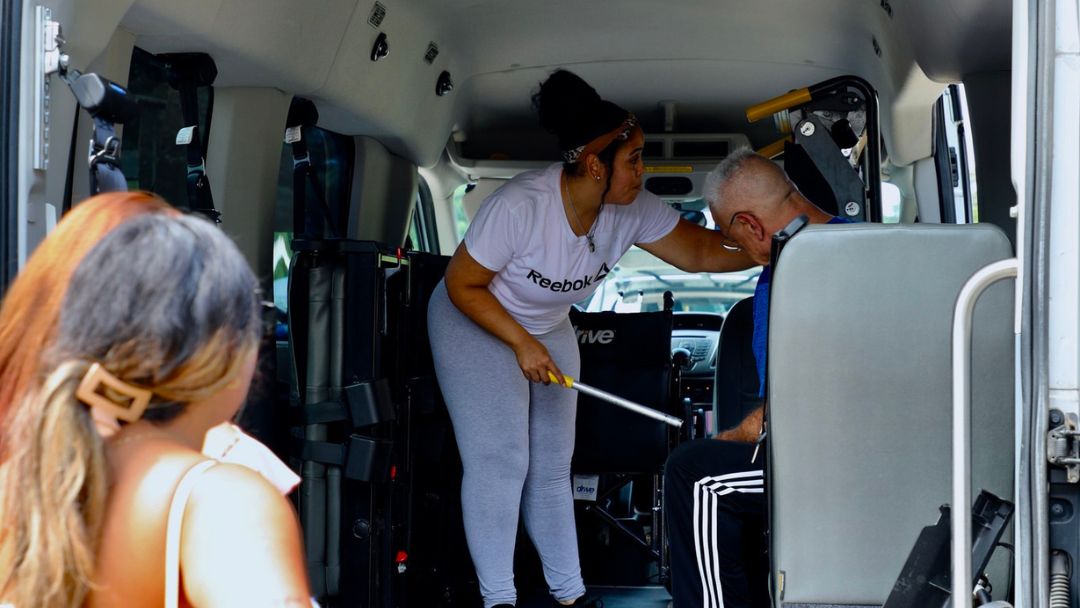
- Mobility assistance
- Dementia awareness
- De-escalation
- Safe securement
- Weather-aware pickups
- Personalized rider support
Better training = fewer emergencies = lower costs.
Final Thoughts
Massachusetts senior centers don’t need to choose between cost savings and high-quality transportation.
The most cost-effective programs are the ones that focus on:
- Smarter routes
- Consistent staffing
- Proactive maintenance
- Better data
- Right-sized vehicles
- Strong vendor partnerships
These strategies keep riders safe, families confident, and budgets stable — without sacrificing dignity or service quality.
Let’s Keep Your Program Moving
If your senior center or adult day program wants to reduce transportation costs without compromising rider safety or reliability, Van Pool is here to help.
Request a Quote today and learn how we can support your routes, your riders, and the routines that keep your community strong.